

Don’t wait— reach out today to take the first step toward taking control of your life. Patients in rehab may consider skipping treatment sessions or support group meetings to spend time with their friends and family. A break in the routine may leave periods of isolation where patients may be inclined to use substances. While holidays are a time of celebration for some, they may be a struggle for people in recovery. Family and friends often tempt those in recovery to consume alcohol because they are under the misconception that one deviation from the treatment plan will not be detrimental. Cues such as spoons can trigger memories of drug use in former heroin users without them being aware.

Habits for Proper Mental Health
Internal triggers, deeply intertwined with emotions and thoughts, play a crucial role in the process of recovery and the risk of relapse. These triggers often originate from within the individual and are closely related to their emotional state. Understanding and managing these triggers can significantly improve an individual’s recovery journey. Internal triggers originate from within oneself, often linked to emotional factors.
What to Do After Identifying your Triggers in Addiction?

Whether they are internal feelings, external environments, or sensory experiences, identifying these triggers early on can make a significant difference in maintaining sobriety. Developing healthy coping strategies and seeking support from loved ones and professionals can help individuals manage triggers. Often, relapse will be preceded by a trigger that causes someone to start thinking about relapsing or creates a craving for a substance that was previously used. These triggers can be difficult to recognize and can completely disrupt a recovery if they lead to relapse.
Relapse Triggers

Showing top 8 worksheets in the category – Internal And External Triggers In Addiction. If you can find alternative routes to your next destination, try to map out your drive. We’ve streamlined our admissions process to make it as easy as possible. Our team is available 24 hours a day, 7 days a week to answer any questions you may have. Showing top 8 worksheets in https://ecosoberhouse.com/ the category – External And Internal Triggers.
Disability profiles supported in our website
- We propose you take a moment to learn about how addictive triggers can impact your life.
- The information on this site is for informational and educational purposes only.
- In contrast, when they increased the corticosterone levels, unstressed rats showed relapse behaviors when triggered.
- Some, people struggling with drug and alcohol addiction feel as though they can’t mix and mingle without the use of substances.
- Physical relapses are one of the most challenging stages of relapse to overcome.
- Determining how risky they are can be useful in figuring out how to tackle them.
Individuals develop new thoughts, feelings and behaviors while using substances. These may include shutting family off, denying issues or justifying substance use. Healthier practices need to replace these negative internal processes in order to help people succeed in their path to a substance-free life.
- Triggers that happen outside of the individual are not necessarily beyond control.
- People closest to the individual may set off cravings that eventually lead to a relapse.
- A person can find alternative routes to avoid high-risk places, such as places where they used to meet their dealers or bars where they used to binge drink.
- They originate from within and are often linked to personal feelings or memories.
- While triggers do not force a person to use drugs, they increase the likelihood of drug use.
- Contact AToN Center today to learn more about our luxury non-12-step rehab in San Diego and how we can help you or your loved one find lasting sobriety.
- These triggers often originate from within the individual and are closely related to their emotional state.
- Therapists and counselors can provide tools and strategies tailored to each individual’s unique circumstances and triggers.
- Resilience equips individuals with the strength to weather challenges, adapt to change, and persist in their recovery journey.
- It’s important for people in recovery to be aware of the internal triggers they struggle with the most and have a plan in place to seek support when needed.
High-risk places remind former drug users of the times they engaged in substance use. Walking or driving through places where they used to drink or consume drugs can spark a memory connected to drug or alcohol use. The worksheet will help you identify what potentially triggers your unwanted thoughts or behaviors so that you can work on either avoiding them to learning to cope with them.
Understanding Triggers in Addiction Recovery
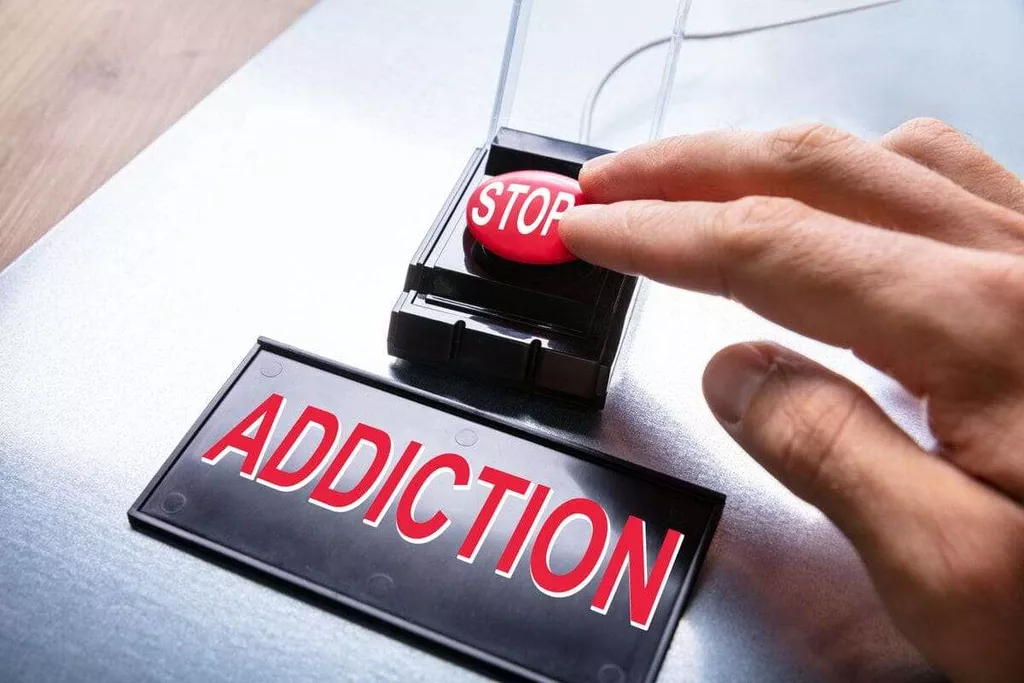
If you or a loved one struggles with addiction to drugs or alcohol, you are not alone. At Canyon Vista Recovery Center, located in Mesa, Arizona, you will learn the skills needed to gain sobriety. Using a combination of medical, clinical, psychiatric, and holistic approaches, our highly skilled professionals will help you heal your mind, body, and spirit. Although external ones are often powerful, many times they are avoidable. An individual usually has some control over external addiction triggers.
Recognizing and understanding both types of triggers can significantly enhance an individual’s recovery progress and help prevent relapses. Internal triggers are emotions, feelings, thoughts, and memories that make a person want to use drugs or alcohol. External triggers, on the other hand, are people, places, things, and situations that can trigger a craving for substances. External triggers are easier to identify and manage than internal ones.
Reach out now
Our Triggers worksheet will introduce your clients to triggers with a simple definition and tips, while guiding them through the process of identifying their own triggers. After identifying triggers, your clients will be prompted to develop strategies to either avoid or cope with marijuana addiction their triggers. This worksheet was intentionally designed to be used with several different treatment problems, such as anger, substance use, or relationships.
INTERNAL TRIGGERS
Former drug or alcohol users are in denial during emotional relapse, but internal triggers they do not have thoughts of using. They are ashamed of the last time they relapsed and may have developed negative behaviors to cope with their thoughts. This state of mind is dangerous because it encourages bad health practices that can eventually lead to a full-blown relapse. Once you find your worksheet, click on pop-out icon or print icon to worksheet to print or download.
Leave a Reply